Media

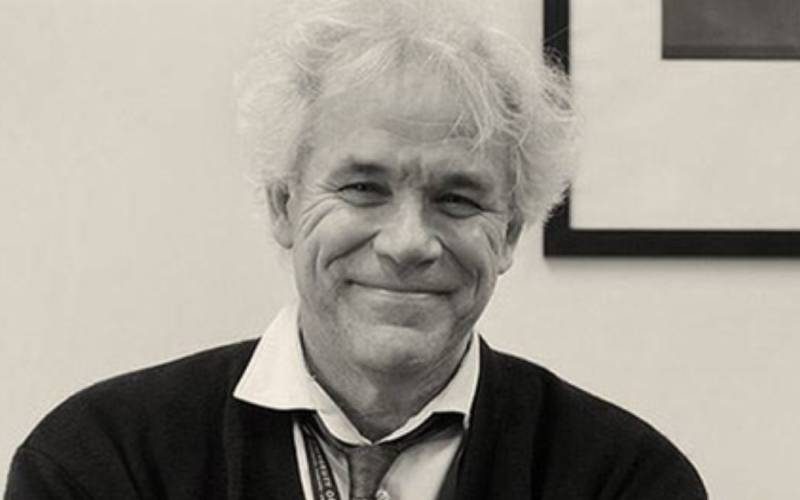
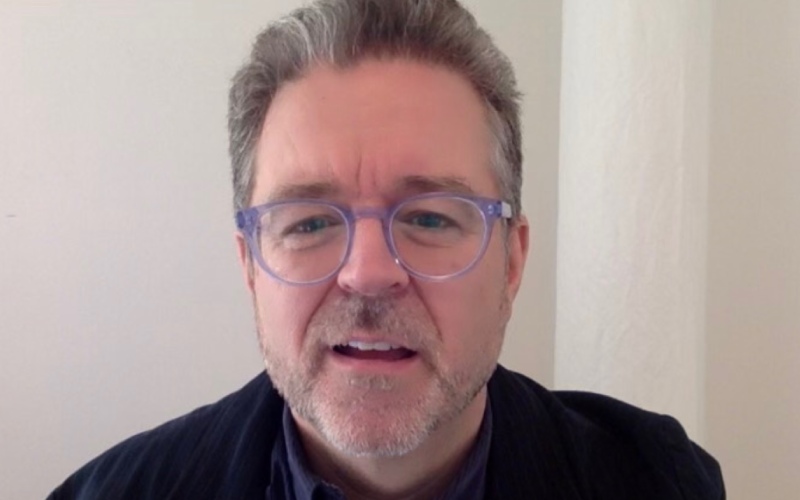
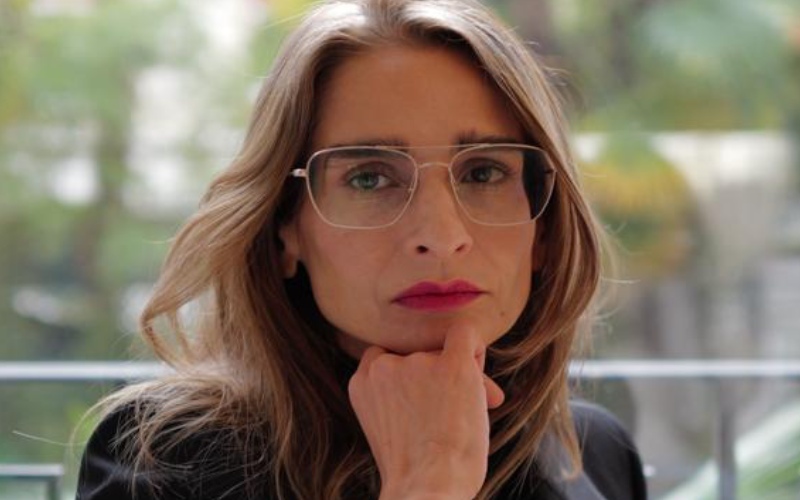
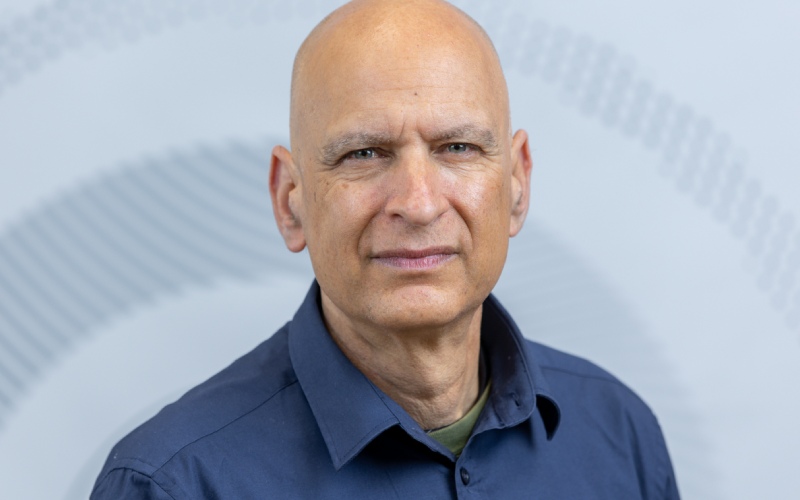
Episode 202: How We Care for Ourselves (and each other) with Stephen Bernstein, MD, Melvin Bornstein, MD, Mark Moore, PhD, Jonathan Palmer, MD, Harvey Schwartz, MD, Peggy Warren, MD

“We are a group of analysts working in the greater context of the analytic world, but as a group, we have a profound analytic group process that’s evolved and in profoundly successful ways – we’ve become a group that contains one another, and deals with great difficulties. Mel has given a taste of where we…

Read More

Episode 201: Mothers and Their Little Girls with Ilene Lefcourt (New York)

“In addition to the easy convenience of bathing two children together, or three children together, there are other motivations of bathing them together. Parents are less aware that there is an excitement in seeing the children naked – although convenience is what’s stated first, I think other things do go into it. Through development reactions…

Read More

Episode 200: A Memoir of Analysis, Poetry and Mortality with Alice Jones, MD (Berkeley, California)

“All my writing before this has been poetry, and over the years in my books of poems I found the lines kept getting longer. I think the move towards prose had me working on this journal form, which I’ve not done. Many people write their journals their entire lives. For me, it’s a more dipping…

Read More

Episode 199: A Candidate Engages Patients Who are ‘Difficult to Reach’ with Pamela Polizzi, LCSW (New York)

“This came from an experience with a patient. It was early in my analytic training, and I was working with a supervisor who I really admired, and worked with her for a number of years. She was post-Kleinian, and was great at interpretation, formulation, and she was really helpful with just starting to guide me…

Read More

Episode 198: An Analyst’s ‘Couple State of Mind’ with Mary Morgan, (London)

“[A couple state of mind] is the capacity to be subjectively involved with both individuals, but then importantly, to be able to step back, find a third position, and try to understand what the couple are creating together. Although it’s kind of obvious in a way, because surely, that’s what a couple therapist is doing,…

Read More

Episode 197: When the Analytic Frame ‘Groans’ with Allannah Furlong, PhD (Montreal)

“To come back to this idea of ‘groaning’ – I really like it because I think it’s a good description of the work we do, but particularly because it refers to Antonio Ferro’s concept of the absorbency of the frame, which I think is another way of referring to it, that the frame can take a…

Read More

Episode 196: The Syntax of Trauma:  Parasitic Language, Metaphor and Metonymy with Dana Amir, PhD (Haifa, Israel)

“A saturated state is a state in which the conceptual or emotional object has absolute value, it is already stacked or closed to new meanings and therefore cannot undergo any kind of transformation. An unsaturated state, on the other hand, is a state in which the emotional or conceptual object is in an open state…

Read More

Episode 195: The Unique Characteristics of Supportive Therapy with Rodrigo Sanchez Escandon (Leeds, England)

“This patient taught me a lot. The context was that I just finished my second training as a psychodynamic psychotherapist and I felt I needed to prove a lot, and I clearly arrived with the wrong agenda. It was that if I was good enough and smart enough, a clever enough just graduated psychodynamic psychotherapist,…

Read More

Episode 194: Teaching About the Dynamic Mind: Then and Now with Jonathan Shedler, PhD (San Francisco)

“We bring our patterns with us wherever we go, into every relationship, and we necessarily and inevitably bring them into the therapy relationship or the psychoanalytic relationship, because that’s a relationship too. It’s not a matter of choice. It simply happens. It happens everywhere. The therapist doesn’t do anything to make it happen. This is…

Read More

Episode 193: On Transience and the Cycle of Time: Freud and Ecclesiastes with Paul Marcus, PhD (Great Neck, New York)

“The similarity between Freud and Kohelet [Ecclesiastes] is that both of them believe that there’s no overarching totalistic system that  integrates all the disparate experiences that one has. You have that, Freud says, in psychotics, and you have that in philosophers, and you have that in devout people –  they look for systematicity. They try…

Read More