

Episode 131: ‘Music Sounds the Way Emotion Feels’: from the Piano to the Couch with Julie Nagel, PhD (Dexter, Michigan)
“Some of the shared concepts – even words that psychoanalysis and musicians use – such as conflict, ambiguity, silences, dissonance, resolution or not, working through, is in the Mozart you’ve heard. What you hear in the very opening four measures was worked through this entire sonata, it was thematic. If we play the whole sonata,...
Podcast: Play in new window | Download
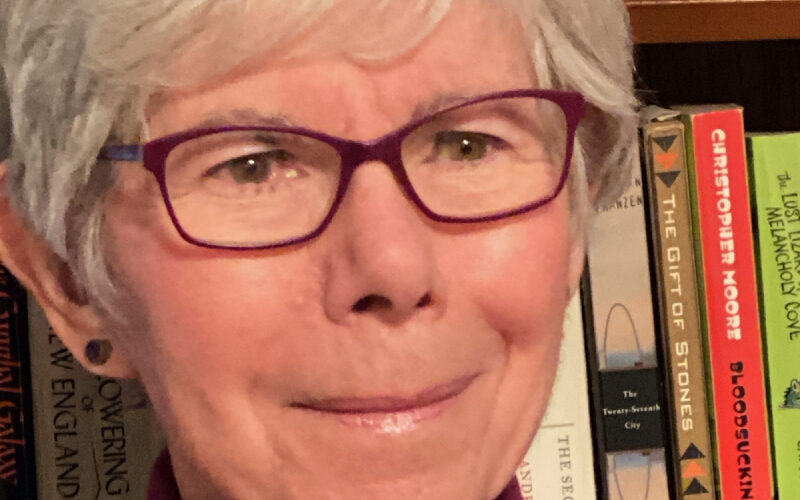
Episode 130: ‘Wearing the Attributes’ – 50 years as an Analyst with Judith Chused, MD (Washington, DC)
“A child [patient] makes a mistake, upsets things – one doesn’t console or complain, but just reflects whatever the patient’s affect was at that moment, such as, ‘that seems to bother you’ or ‘it’s hard to put those two pieces together’- to just observe it, to not have an affective response of disgust or irritation....
Podcast: Play in new window | Download

Episode 129: From Immunology to Psychoanalysis: Reflections on Primitive Mental States with Shiri Ben Bassat (Tel Aviv)
“This is the first time that I really felt what is meant by cell relations. You have object relations and you have part-object relations and anxieties that are depressive and schizophrenic. But when I deal with primitive anxieties, I really felt cell relations. What I felt is that my cells were going beyond my skin...
Podcast: Play in new window | Download
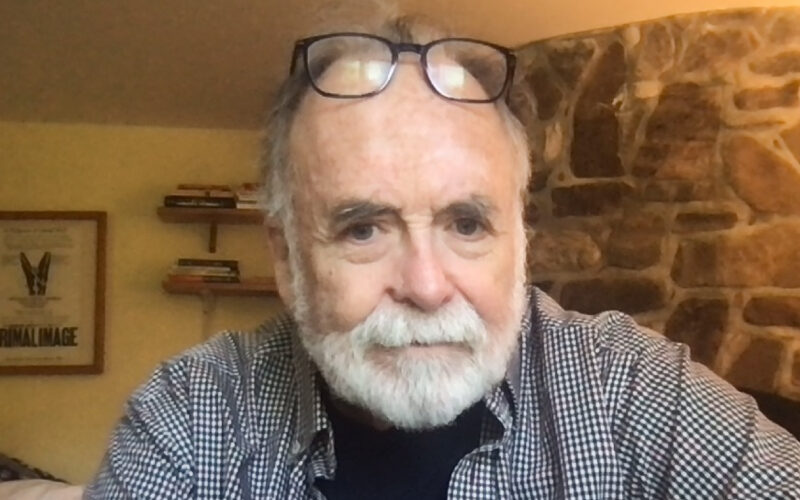
Episode 128: Freud Encounters C.S. Lewis as imagined by Mark St. Germain
“[in the play Freud’s Last Session]… with the sound of the bombers both men react as they did the first time – with fear. But this time instead of disguising it they admit to it. That admittance was the bond between them. Freud also was shaken by the whole experience. At the very end of...
Podcast: Play in new window | Download
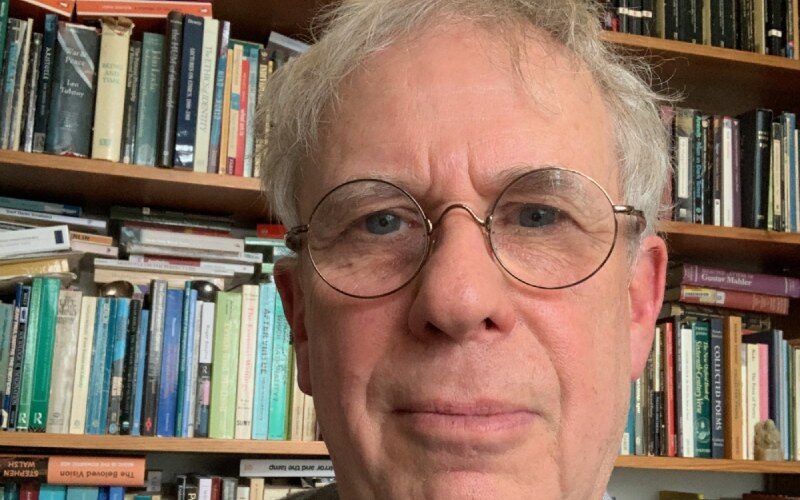
Episode 127: Psychoanalytic Reflections on Evil with Dr. Roger Kennedy (London)
“I feel as a psychoanalyst one has to respond to the world. We can’t just simply remain in our consulting rooms although that has always been vitally important for my identity and thinking. We can’t turn a blind eye to what is going on in the world. There are a lot of awful things going...
Podcast: Play in new window | Download
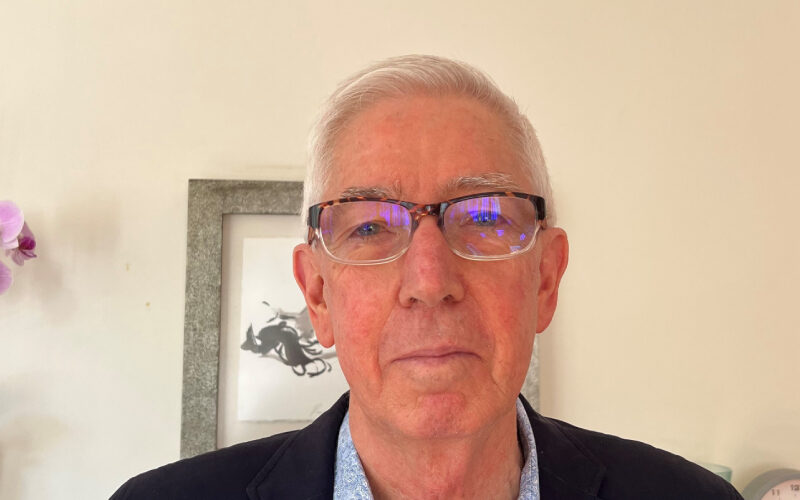
Episode 126: Can Psychoanalysis be Identical Everywhere? with Jorge Bruce (Lima)
“Psychoanalysis is a translation of what I call in Spanish, Psicoanalisis Criollo, which means that we are hybrid cultures in Latin America, and that is something that we should never forget. We have been acting in the Psychoanalytical Society for so long as if we were living in some big modern city of the first...
Podcast: Play in new window | Download

Episode 125: Psychoanalysis and Opera – rejoining the verbal and non-verbal with Steven Goldberg, MD and Lee Rather, Ph.D. (San Francisco)
“Unconsciously, or sometimes just without really focusing on it, we’re always responding to the musicality of the patient’s voice. I think that careful listening and study of opera really hones our ability to do that. We pay more attention to it and we can potentially make not just unconscious use of it but also conscious...
Podcast: Play in new window | Download
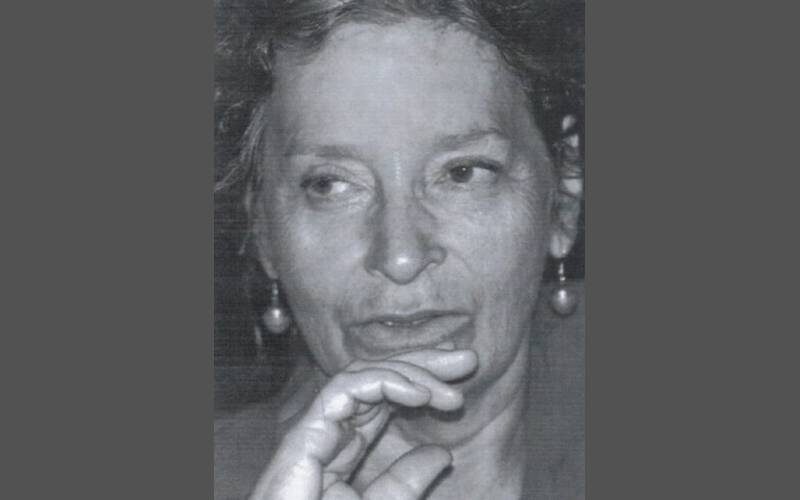
Episode 124: Psychoanalytic Fieldwork: A Woman Psychoanalyst (Training Analyst IPA) Working in Eastern Africa with Dr. phil. Barbara Saegesser (Biel/Bienne, Switzerland)
“The psychoanalytic frame I have built in myself helps me to find a way to not go too near and not be too distant to a person. It is other than what we learn when we learn to be psychoanalysts. Then we have the opportunity to feel in a room where we are not in...
Podcast: Play in new window | Download
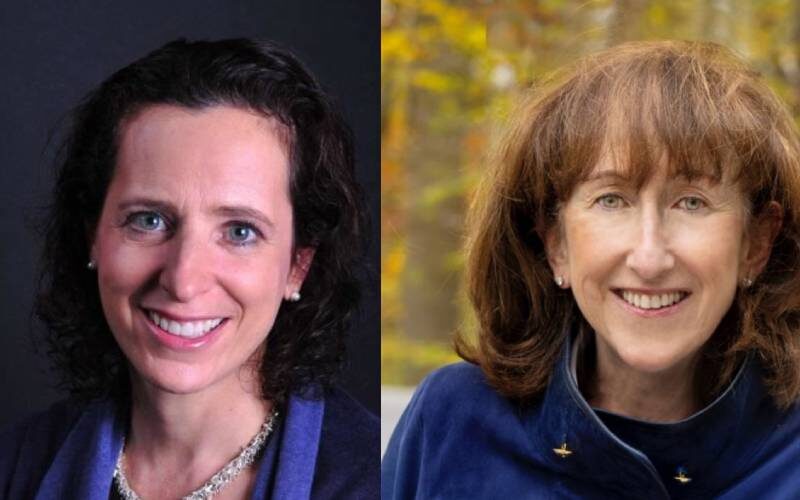
Episode 123: Teaching Dynamic Therapy through Storytelling with Anne Adelman, Ph.D. (Chevy Chase, MD) and Kerry Malawista, Ph.D. (Potomac, MD)
“When I first started teaching it was most often done through theory, and teaching these complicated words with hard-to-understand concepts. It never made sense to me, to be honest, as a student myself. So, when I began teaching, I would tell stories whether they were about my own life or about my children as a...
Podcast: Play in new window | Download

Episode 122: Analytic Desire, Listening and Letting Go with Mitchell Wilson, MD (Berkeley)
“It seemed to me in my training, also in my scholarly pursuits, that desire did not have conceptual status in most analytic clinical theory. Most traditions did not have a way of talking about the analyst’s motivations with the exception of the well-worn ideas about the analyst’s ‘blind spots’. But in terms of specific motivations,...
Podcast: Play in new window | Download
Episode 121: Polish Psychoanalysis, Ukraine and Intergenerational Trauma with Edyta Biernacka (Krakow)
“During the treatment they start to think about their family, they want to understand what really happened to their parents that made them such monsters towards their own children? They start to look for the origins of their family and the history of the family and they found transgenerational traumas from both sides – family...
Podcast: Play in new window | Download
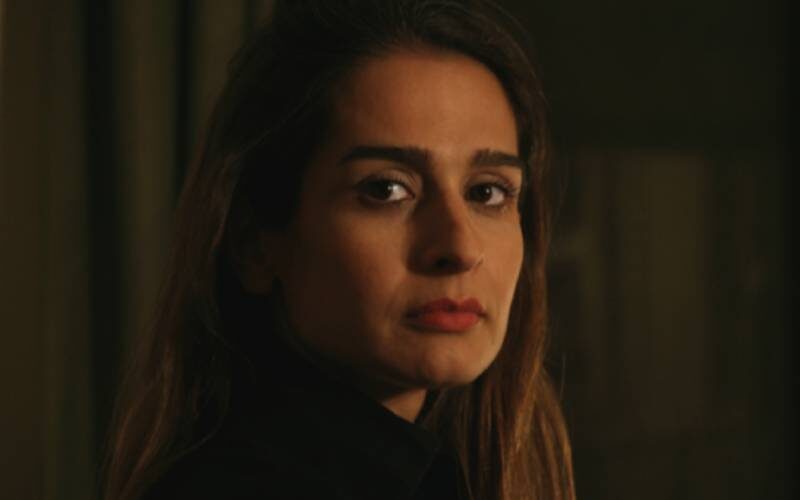
Episode 120: Foreignness, the Blues, and Psychoanalysis in Iran with Gohar Homayounpour, PsyD (Tehran)
“Aren’t these daughters of Persia retelling that myth [Shahnameh] as we speak – they put their hair down, Rudabeh put her hair down. This time maybe from this union there will now be a baby girl that will be born. This new epic female hero will transform this land. Something has happened – it’s an...
Podcast: Play in new window | Download